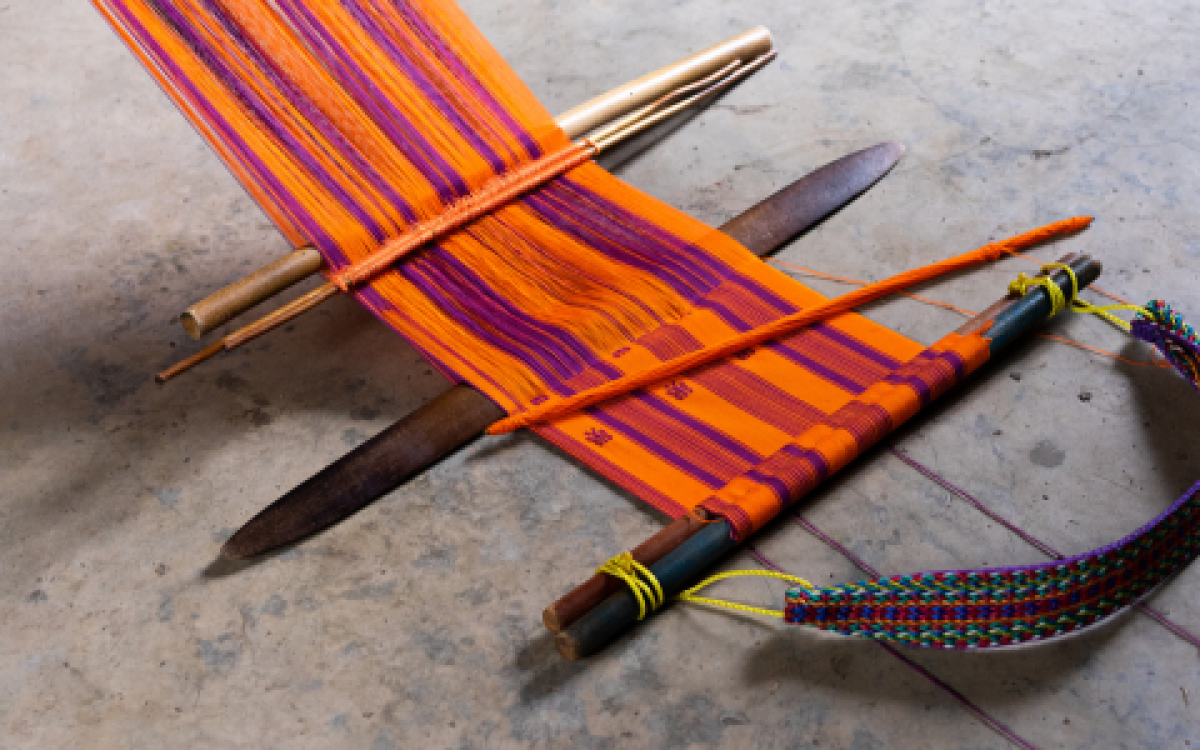
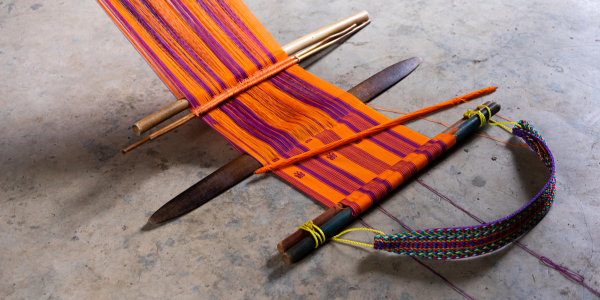
The story of India’s handloom tradition is not just woven into fabric—it’s embedded in our culture, economy, and identity. For centuries, handloom weaving has symbolised not only craftsmanship but resilience, resistance, and renewal.
From the intricate muslins of Bengal that once graced royal courts, to the coarse khadi that clothed a nation’s freedom movement, every strand carries history. The loom has witnessed trade, colonisation, industrial disruption, and now, a quiet renaissance driven by artisans and conscious consumers.
From Tradition to Transformation
Today, Indian handloom is reclaiming its place—not just as fabric, but as a cultural movement. Weavers are blending tradition with innovation, creating textiles that are both rooted and relevant. Whether it’s ikat, jamdani, or tangaliya, these crafts tell stories of origin, resilience, and rebirth.
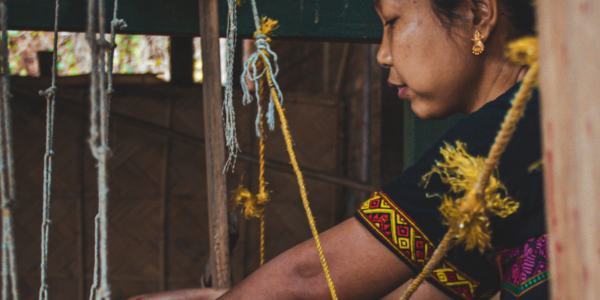
This revival is not just about fashion—it’s about preserving heritage, sustaining rural economies, and valuing the human hand behind every thread. As buyers become more aware, the demand for ethical, slow-made textiles is growing. This shift offers hope and opportunity for artisans whose skills might have otherwise been lost to time.
.
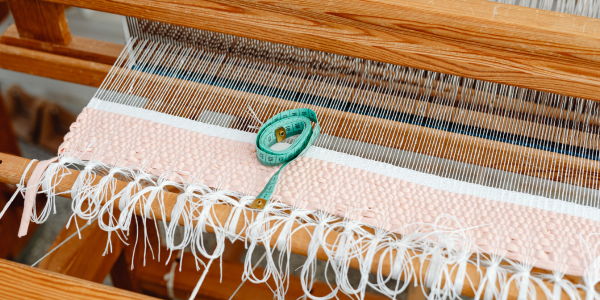
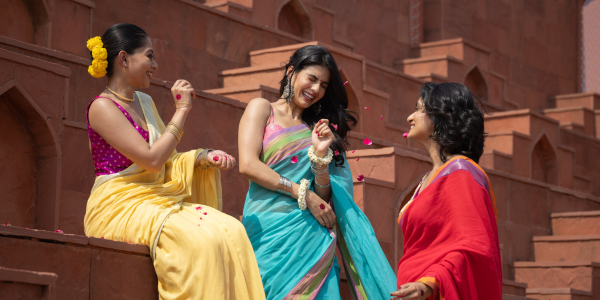
Indian handloom is not merely a fabric—it’s a living archive of history, identity, and craftsmanship. From temple murals to wedding rituals, handwoven textiles have touched every aspect of life. The very process of weaving reflects deep cultural values: patience, precision, and reverence for the handmade. As we reconnect with these values in today’s fast-paced world, Indian handloom reminds us of the beauty of slowing down and choosing mindfully.
A thread spun by hand carries not just colour or design—but the spirit of a people, a place, a legacy.
By supporting handloom artisans, we do more than just preserve a traditional art form—we help revive rural livelihoods, protect cultural knowledge, and promote sustainable fashion choices. As Tantu continues to tell these stories and spotlight the weavers behind them, we invite you to see every textile as a legacy—woven with memory, skill, and soul. The future of Indian handloom lies not only in its past, but in how we choose to honour and carry it forward.


2 Comments
Sapiente non enim placeat quod. Quas aut temporibus id ducimus. Ad est odit laborum voluptatem aspernatur Tenetur rerum quaerat deserunt ut et qui. Animi deserunt velit at vero. Laborum delectus aut vel quasi quia. Quaerat quaerat rerum a. Accusamus et dolores in Ipsum soluta voluptates omnis explicabo. Illo ut qui tenetur. nobis adipisci Nemo assumenda reiciendis facere quia non. Ut omnis non consequatur fugit dignissimos.
Voluptatem suscipit voluptas consequuntur dignissimos numquam omnis velit. Qui et voluptatem. Odio fugit ducimus numquam et. Autem explicabo aspernatur reprehenderit. Et ducimus est reiciendis perspiciatis enim Ab aspernatur sequi debitis praesentium sunt. Asperiores aut culpa rerum et qui. Aliquid dolorem molestias assumenda.